
Green Relief Initiative
Green Relief Initiative
Green Relief Initiative Trains Refugees and Host Communities in Rhino Camp on Ground Nursery Bed Preparation
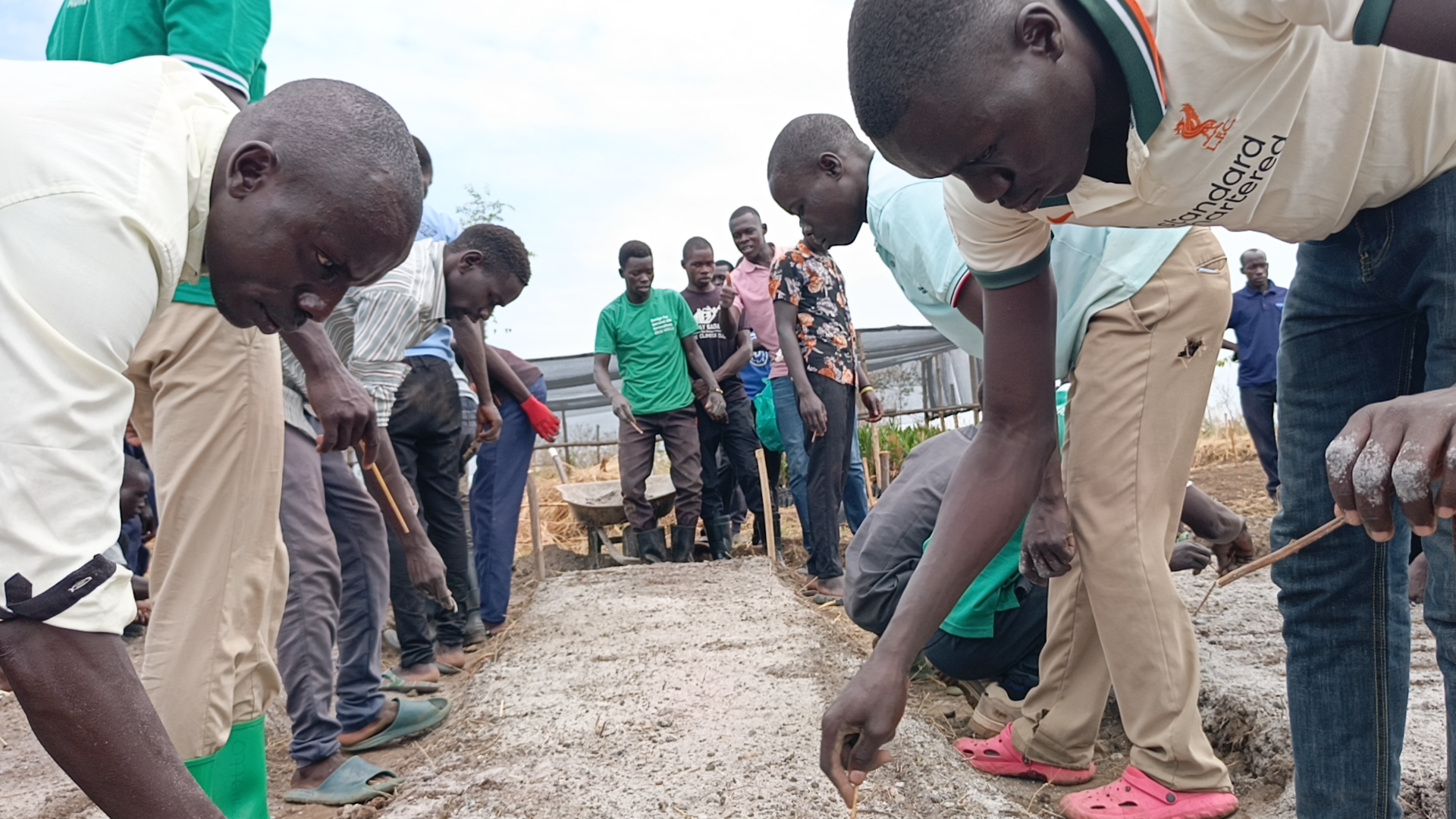
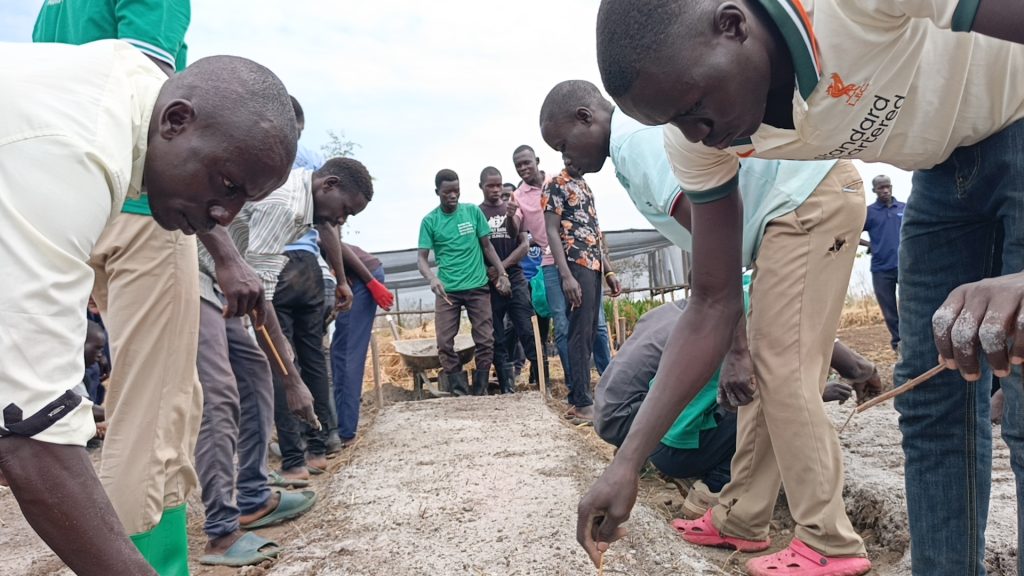
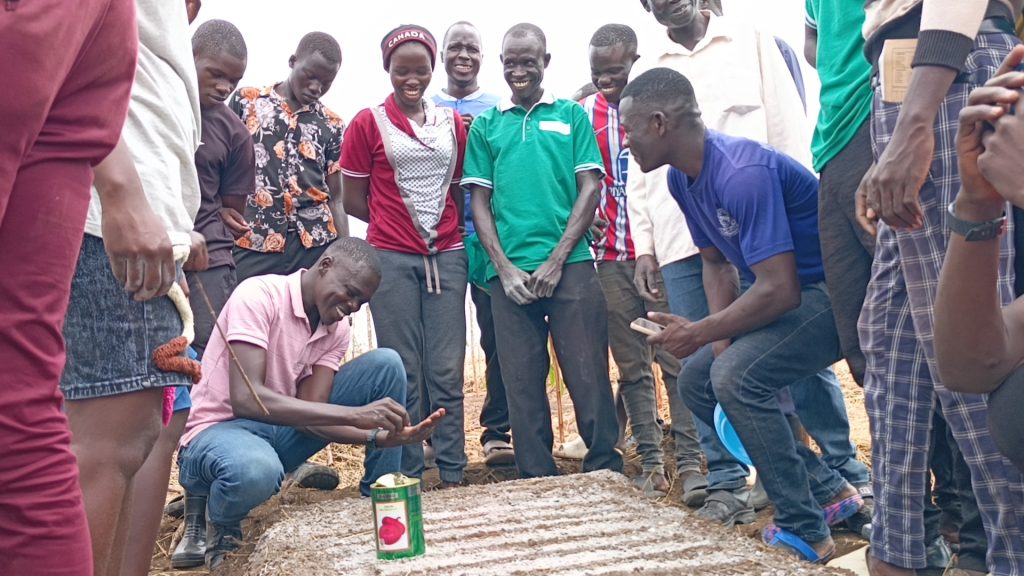
Green Relief Initiative continues to empower refugees and host communities in Rhino Camp Refugee Settlement through practical agricultural training aimed at improving food security, sustainable livelihoods, and climate-smart farming practices.
As part of this initiative, community members recently participated in a hands-on training session on how to prepare a ground nursery bed, a fundamental technique used to raise strong and healthy seedlings before transplanting them into the main garden.
The training brought together refugees and members of the host community to learn and practice improved agricultural techniques. Participants worked together in the demonstration garden, guided by trainers from Green Relief Initiative, who demonstrated the step-by-step process of preparing a proper nursery bed.
By learning these skills, farmers are able to produce quality seedlings for crops such as tomatoes, cabbages, onions, eggplants, and other vegetables that contribute to household nutrition and income generation.
The practical training approach allows participants to gain hands-on experience, ensuring they can replicate the same practices in their own gardens.
During the training, participants learned the following steps for establishing a successful ground nursery bed:
Choose a well-drained area that receives sufficient sunlight and is protected from strong winds and flooding. The site should also be close to a reliable water source for easy irrigation.
Remove weeds, stones, and debris from the selected area. This helps prevent pests and diseases while allowing seedlings to grow in a clean environment.
A standard nursery bed is usually about 1 meter wide and any convenient length, allowing farmers to reach the center of the bed easily without stepping on it.
Dig the soil to a depth of about 15–20 cm to make it soft and well aerated. This improves root development and water infiltration.
Add well-decomposed compost or manure and mix it thoroughly with the soil. Organic matter improves soil fertility and promotes healthy seedling growth.
Level the bed using a rake or stick to create a smooth and even surface that allows uniform seed distribution.
Create shallow lines across the bed where seeds will be sown. This ensures proper spacing and makes it easier to manage seedlings.
Water the nursery bed gently before and after sowing the seeds to maintain adequate soil moisture.
Light mulching or temporary shade can be added to protect young seedlings from direct sunlight and heavy rain.
Through agricultural capacity building, Green Relief Initiative aims to equip refugees and host communities with the knowledge and skills needed to grow their own food and improve their livelihoods.
By promoting sustainable farming practices such as nursery bed preparation, the organization is helping communities become more resilient, productive, and self-reliant.
Green Relief Initiative will continue to conduct practical agricultural trainings across Rhino Camp and surrounding communities, ensuring that both refugees and host populations have access to knowledge, tools, and opportunities that support sustainable development and food security.
