
Green Relief Initiative
Green Relief Initiative
About our PROGRAM
Green Relief Initiative was founded in response to the pressing need for environmental conservation and community engagement in Rhino Camp. Established with the aim to empower refugees and host communities, our organization launched its first tree planting campaign, striving to restore 100 acres of land. Our holistic approach blends education and practical training, fostering sustainable agriculture and strengthening community bonds through collaborative efforts.
Since its inception, Green Relief Initiative has focused on promoting sustainability and environmental awareness. By uniting refugees, local communities, and students, we aim to enhance ecological health and social cohesion in our region through various programs.
Green Relief supports refugees and hosts with seeds, training, and land access to improve food security, income, and self-reliance.
Green Relief distributes goats and mama kits, empowering women to access education, healthcare, nutrition, and safe maternal care.
Green Relief offers phone charging, community radio, and a public library to improve communication, access to information, and education.
Green Relief sponsors orphaned, bright students to access education, fostering growth, academic excellence, and future leadership potential.
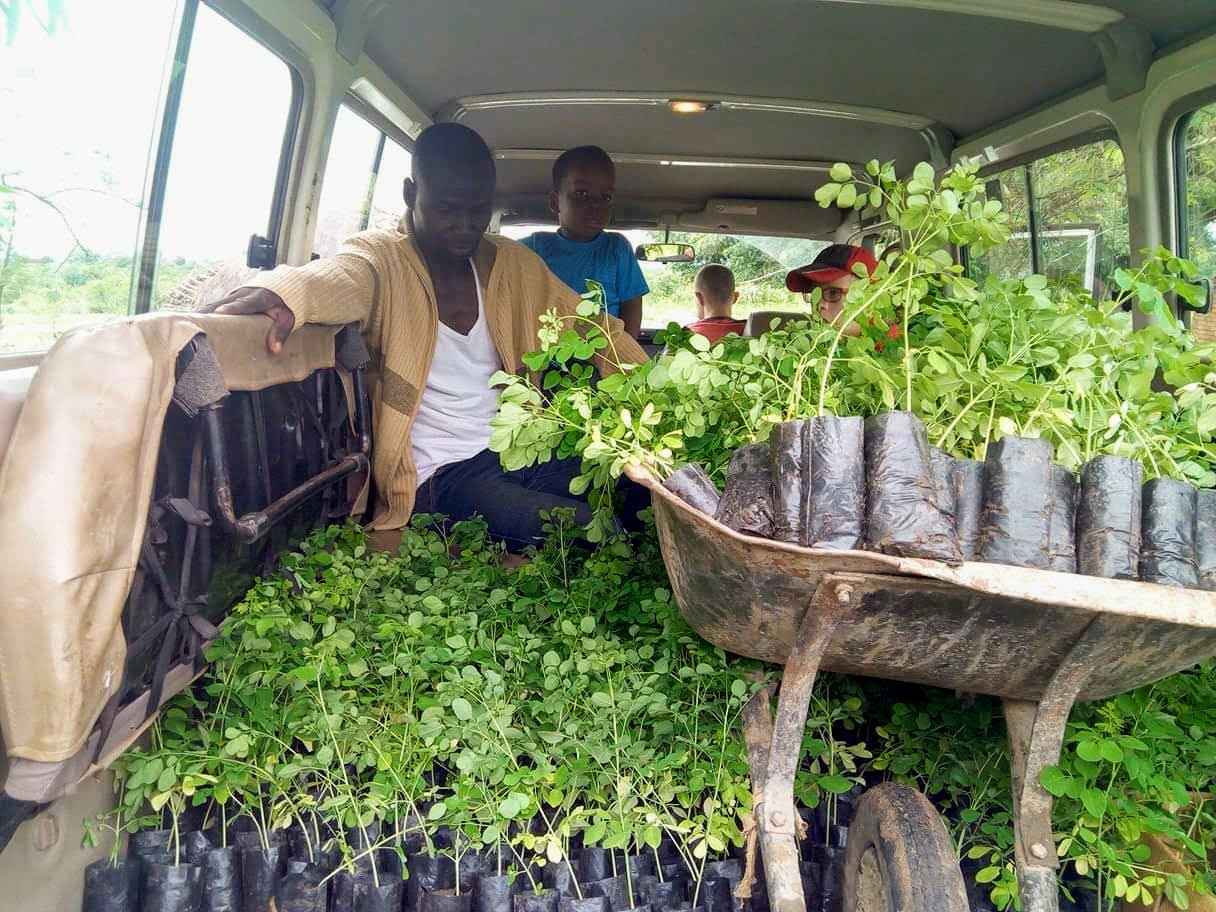
Plants
– Tree Planting: The Environmental Challenge
As the refugee population settled in the area, the environment began to suffer. Trees were cut down for construction, building, and farming, leading to deforestation and degradation of the ecosystem. Recognizing the urgent need for environmental stewardship, Green Relief Initiative was born.
Environmental Challenges in West Nile Region
The influx of millions of refugees in the West Nile region of Uganda has put immense pressure on the environment. This region, already vulnerable due to its semi-arid climate, has faced severe environmental degradation.
Key Environmental Concerns
– Deforestation: Massive cutting of trees for construction, building, and cooking has led to widespread deforestation.
– Soil Exposure: The removal of grass for roofing has left the soil exposed, making it susceptible to erosion.
– Loss of Biodiversity: The degradation of the environment has threatened the region’s biodiversity.
Green Relief Initiative’s Response
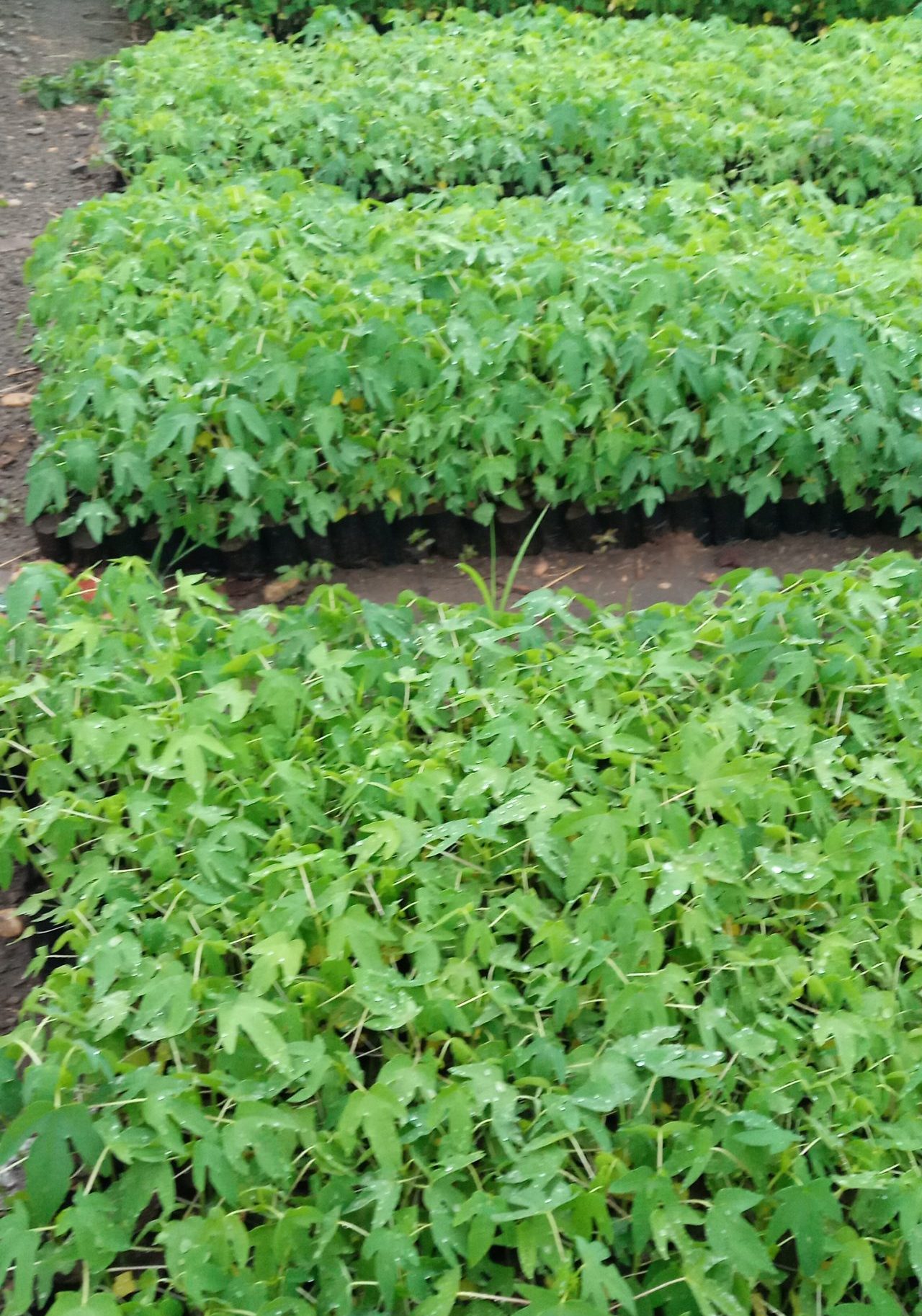
To address these environmental challenges, Green Relief Initiative has established a nursery bed to cultivate seedlings. These seedlings are distributed to both refugees and host communities, promoting reforestation and environmental sustainability.
Benefits of Tree Planting
– Soil Conservation: Tree roots help hold the soil in place, reducing erosion.
– Shade Provision: Trees provide shade, improving living conditions and reducing the need for fuelwood.
– Food Security: Fruit trees provide a source of nutritious food, improving food security and health.
Community Engagement
Green Relief Initiative engages both refugees and host communities in tree planting activities, fostering a sense of ownership and promoting coexistence. By working together, the organization aims to restore the environment and build a more sustainable future.
Tree Planting Campaign
Green Relief Initiative has launched a comprehensive tree planting campaign, aiming to plant 100 acres of trees this year. This initiative will be implemented in collaboration with:
– Refugees
– Host community
– Students undergoing training
The tree planting campaign in Rhino Camp serves a multifaceted purpose centered on promoting environmental sustainability, fostering unity, and empowering the next generation. By encouraging reforestation, the campaign seeks to rehabilitate degraded lands, support biodiversity, and combat the adverse effects of climate change. It also brings together refugees, host communities, and students in a collaborative effort, nurturing a shared sense of responsibility and strengthening social bonds. Simultaneously, the initiative builds local capacity by equipping young people with hands-on skills in tree cultivation and environmental management, inspiring them to become active custodians of their environment and paving the way for future green opportunities.
Expected Outcomes
The tree planting campaign is expected to have a positive impact on the environment and the community, including:
– Improved Environmental Sustainability: The planting of 100 acres of trees will contribute to a greener environment, reducing the effects of climate change and promoting biodiversity.
– Enhanced Community Cohesion: The joint effort will foster a sense of unity and cooperation among refugees, host communities, and students.
– Increased Awareness: The campaign will raise awareness about the importance of environmental conservation and sustainability
Livelihood Support
Green Relief Initiative is committed to enhancing the livelihoods of refugees and host communities through sustainable agriculture practices.
Kitchen Gardening
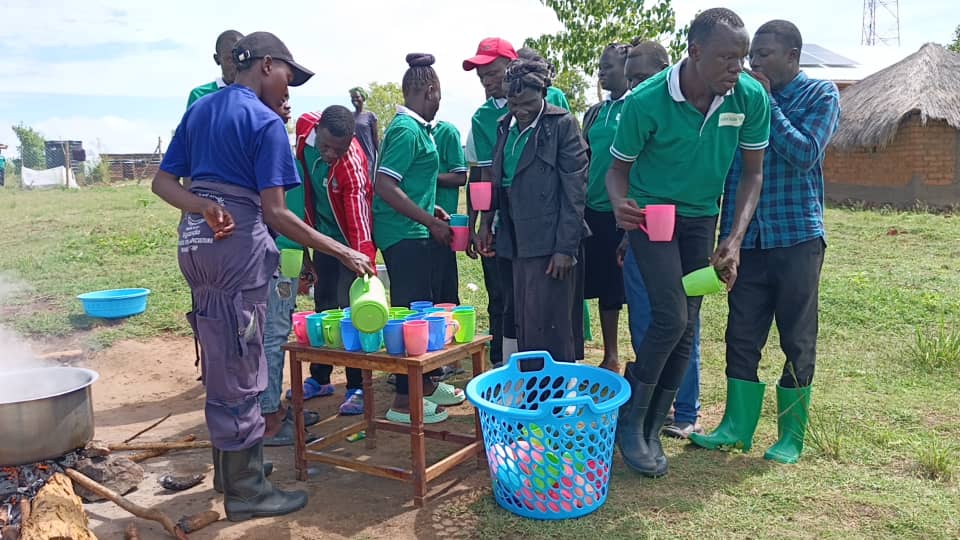
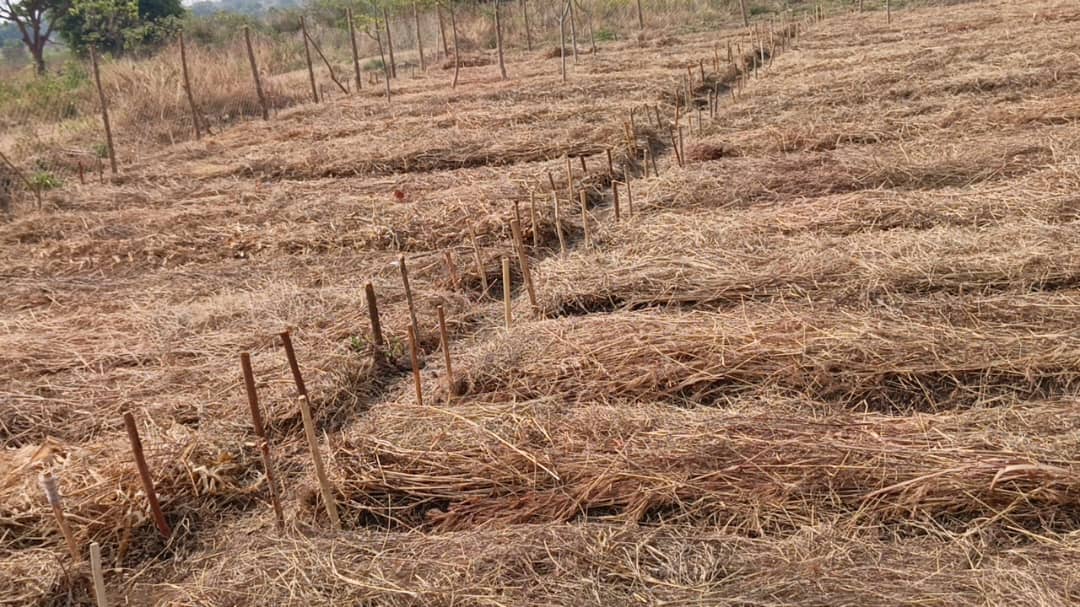
We empower individuals to establish kitchen gardens, providing them with the necessary seeds and training. This initiative enables them to grow their own food, improving food security and nutrition.
Seed Distribution
We distribute seeds for various crops, including:
– Cassava cuttings
– Potatoes
– Maize
– Groundnuts
Land Rental
To promote self-reliance, we lease land from host communities and allocate it to refugees, particularly widows and single mothers. This initiative enables them to cultivate their own crops, enhancing food security and generating income.
Benefits
– Improved Food Security: Refugees can grow their own food, reducing dependence on external aid.
– Increased Income: By selling their produce, refugees can generate income and support their families.
– Empowerment: Land rental and kitchen gardening initiatives empower refugees to take control of their lives and build a more sustainable future.
Training and Capacity Building
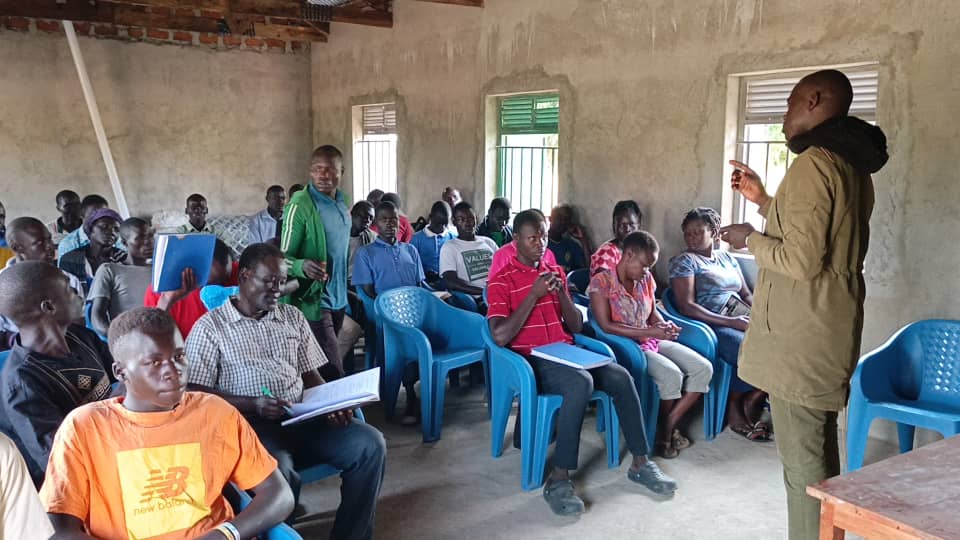
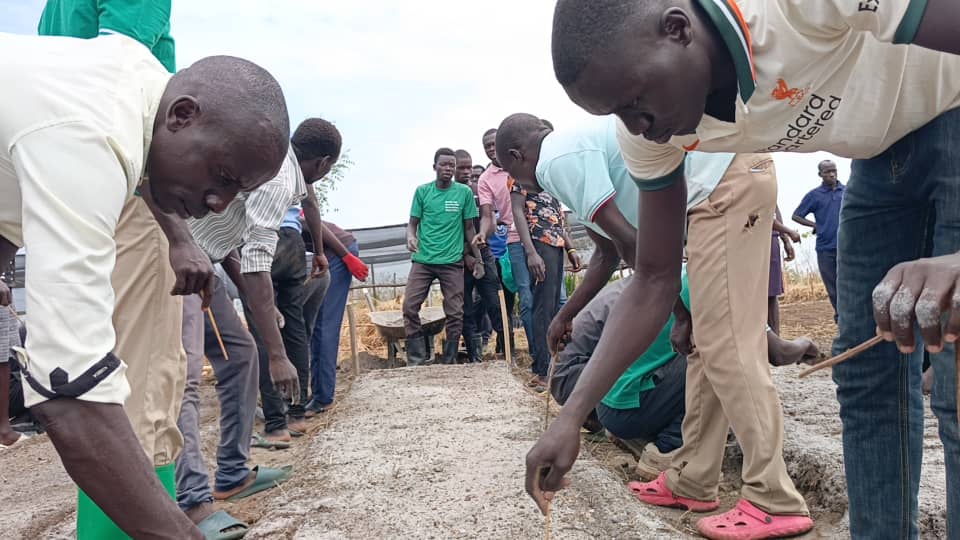
The Training and Capacity Building component of the initiative is anchored in the establishment of a School of Sustainable Agriculture, a hub dedicated to equipping community members particularly youth and students with practical, hands on skills in diverse and sustainable agricultural practices. Among the key programs offered is fish farming, which trains participants in the setup and management of fish ponds, water quality control, feed formulation, and harvesting techniques to enhance food security and livelihoods. The mushroom cultivation program introduces learners to the life cycle of mushrooms, substrate preparation, hygienic growing conditions, and harvesting offering a high-yield, lowspace agricultural option. In addition, Black Soldier Fly (BSF) farming empowers trainees to harness organic waste to rear BSF larvae, which can be processed into protein rich animal feed, contributing to both waste reduction and sustainable livestock production. Through nursery bed management, students gain expertise in seed selection, soil preparation, watering techniques, and disease prevention, forming the foundation for successful tree planting and reforestation efforts. The animal husbandry module imparts knowledge on the proper care, breeding, nutrition, and health management of livestock such as goats, cows, and pigs an essential pillar for rural prosperity. Lastly, poultry farming training emphasizes breed selection, feed management, disease control, and business planning, enabling participants to engage in small-scale yet profitable poultry enterprises. Together, these programs not only improve agricultural productivity and environmental stewardship, but also foster self-reliance, food security, and income generation across communities.
Goat Distribution
The distribution of 1,800 goats to widows and single mothers has been a transformative intervention aimed at enhancing livelihoods and fostering economic independence among some of the most vulnerable members of the community. By providing each beneficiary with goats—a resource that multiplies over time and requires relatively low maintenance—the program creates a sustainable source of income. The sale of goat offspring or byproducts such as milk enables these women to cover essential needs including school fees for their children, medical expenses, and daily household necessities. This initiative not only improves immediate living conditions but also empowers recipients with a sense of dignity and self-reliance, breaking cycles of dependency and opening doors to a more secure and hopeful future.
Mama Kit Distribution
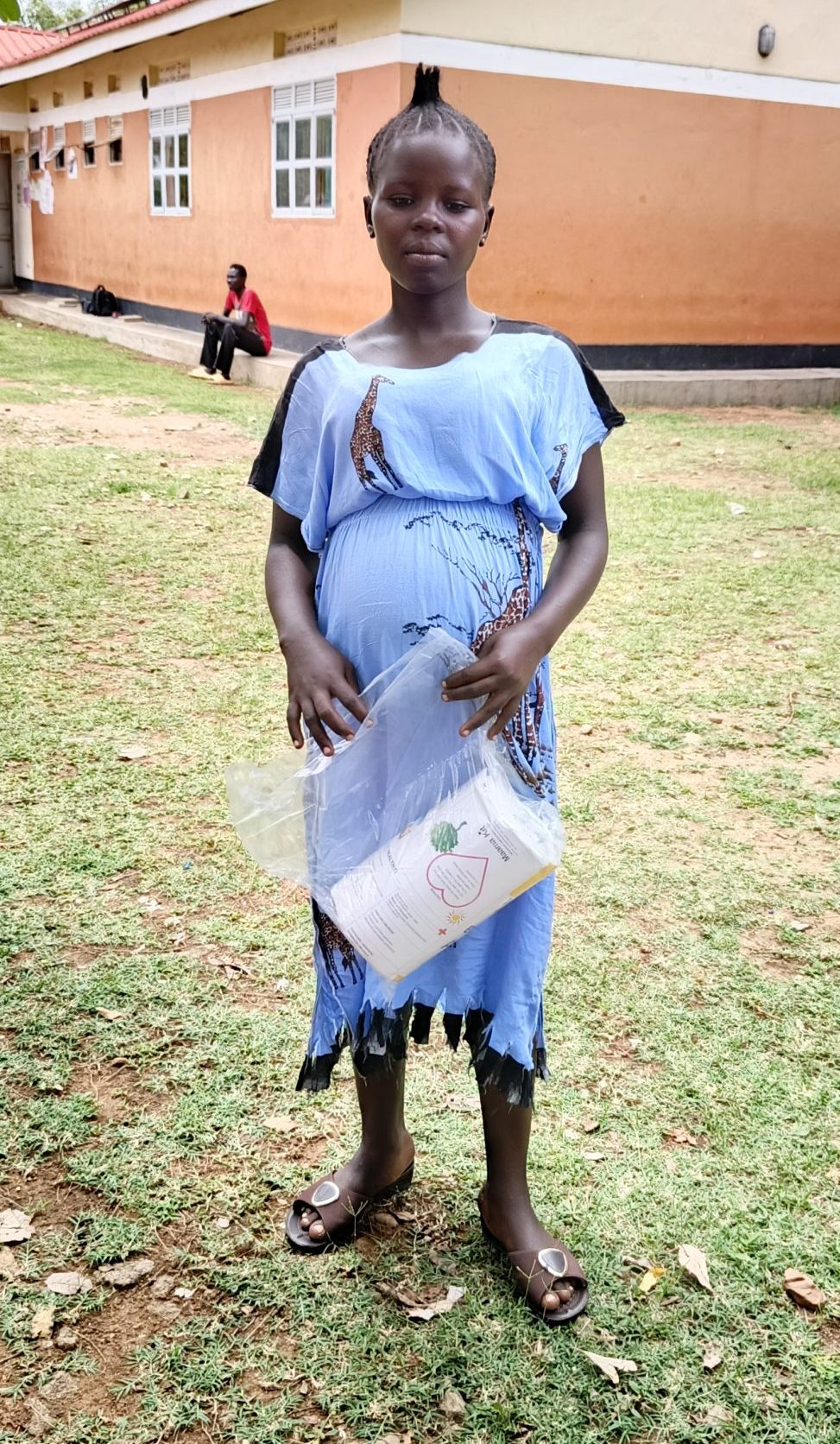
The Mama Kit Distribution program is a crucial maternal health initiative designed to support both refugee and host community mothers by providing essential birth supplies to ensure safe and dignified deliveries. Each mama kit typically contains items such as sterile gloves, surgical blades, gauze, cotton wool, soap, and plastic sheets—basic yet vital tools that significantly reduce the risk of infection and complications during childbirth. By supplying these kits to expectant mothers, the program directly contributes to lowering maternal and neonatal mortality rates, especially in underserved areas where access to health facilities and medical supplies may be limited. Beyond the physical materials, the initiative also encourages women to seek antenatal care and deliver in health centers under the supervision of skilled personnel, promoting safer delivery practices. Ultimately, this program not only safeguards the health of mothers and newborns but also reinforces the broader goal of equitable healthcare access and empowerment for women in vulnerable communities.
The phone charging center serves as a vital lifeline for the community, particularly for refugees who rely on mobile phones to maintain contact with loved ones in South Sudan and other camps. In areas where electricity is scarce or unavailable, access to reliable phone charging is essential not just for communication, but for restoring a sense of connection and security. With charged phones, community members can access life-saving information, emergency services, and participate in digital platforms that support education, livelihood, and advocacy. This simple yet impactful service enhances communication and connectivity, enabling people to remain informed, connected, and empowered.
Complementing the center is the community radio station, an essential tool for information dissemination across the settlement. In a place where traditional media may be limited, the radio serves as a trusted source of timely and relevant updates, such as food distribution schedules, public health alerts, and announcements about community services or events. It plays a unifying role by sharing educational and cultural content in local languages, building a stronger sense of identity and belonging. In emergency situations, the station can quickly broadcast critical alerts, making it not just a medium of connection but also one of safety and preparedness.
The public library offers a calm and encouraging space for both students and adult learners to nurture their curiosity and advance their knowledge. Stocked with books and educational resources, it supports formal education efforts while also promoting independent learning and literacy. For many, especially young people, the library becomes a haven a quiet retreat from the daily pressures of life in displacement. Whether studying for exams, reading for pleasure, or simply finding a moment of peace, the library plays a critical role in fostering personal growth, intellectual development, and hope for a brighter future.
Sponsorship Program
The Education Support Sponsorship Program is a powerful initiative that seeks to uplift orphaned and academically promising children by removing financial barriers to their schooling. By covering essential needs such as tuition, school supplies, uniforms, and sometimes even transportation, the program ensures that these vulnerable students not only gain access to quality education but are also equipped to excel and thrive in their learning environments. This targeted support nurtures their intellectual growth, self-confidence, and aspirations, giving them the tools to break cycles of poverty and become catalysts for change in their communities. Ultimately, the program invests in future leaders individuals whose talents, once nurtured, can shape a more equitable and empowered society.
Social Support